
Cross Legged Meditation: Your Complete Guide to Comfort & Posture
Discover how to sit comfortably for longer, deepen your practice, and protect your body. From choosing the right chair to perfecting your posture, we have everything you need for a sustainable meditation journey.
Explore Comfort SolutionsThe ReclinerHut Approach: We believe that physical comfort is the foundation of a successful meditation practice. When your body is at ease, your mind can truly settle. This guide is designed to help you find your perfect seated position, using supportive furniture and smart adjustments.
Why Your Seat Matters for Meditation
Cross-legged meditation, often called sitting in a "easy pose" (Sukhasana) or "lotus position" (Padmasana), is a foundational practice in many traditions. The goal is to create a stable, triangular base that allows the spine to lengthen and the breath to flow freely. However, for many Westerners, sitting directly on the floor for extended periods can lead to discomfort, numbness, and distraction. This is not a failure of willpower—it's a biomechanical challenge.
The key is to elevate your hips above your knees. This simple adjustment tilts the pelvis forward, naturally encouraging the natural curve of your lower back and making it much easier to sit upright without straining. Without this elevation, most people tend to round their lower back, which compresses the diaphragm and leads to fatigue and back pain. Fortunately, there are many modern solutions designed to make this ancient posture accessible to everyone, regardless of age or flexibility.
The Benefits of a Proper Cross-Legged Posture
-
Improved Spinal Alignment
Elevating the hips helps maintain the natural curve of the spine, reducing back pain and allowing for deeper, more relaxed breathing.
-
Enhanced Focus and Stability
A wide, triangular base provides a sense of grounding and stability, which can help quiet the mind and reduce physical restlessness.
-
Increased Circulation
Proper posture prevents compression of the hips and legs, allowing for better blood flow during your session.
-
Longer, More Comfortable Sessions
With the right support, you can sit for 20, 30, or even 60 minutes without fidgeting or needing to shift positions constantly.
-
Reduced Joint Stress
Using a supportive cushion or chair reduces pressure on the knees, ankles, and hips, making the posture accessible for those with limited flexibility.
-
Deeper Mind-Body Connection
When the body is free from pain, the mind can more easily tune into subtle sensations and the rhythm of the breath.
How to Create Your Ideal Meditation Seat
You don't need to be a contortionist to meditate cross-legged. The secret lies in using the right props and furniture. Here are the most effective ways to support your practice, from traditional cushions to modern, ergonomic chairs.
1. Use a Meditation Cushion (Zafu)
A traditional round cushion is the simplest way to elevate your hips. Look for a firm, buckwheat-hull filled cushion that provides stable support. This is ideal for those who are comfortable on the floor.
2. Try a Meditation Bench (Seiza)
A wooden bench allows you to sit in a kneeling position with your legs tucked underneath. It naturally tilts the pelvis forward and is excellent for those who find cross-legged postures difficult.
3. Invest in a Floor Chair
A floor chair with a backrest offers the grounding feel of the floor with the added support of a chair. Look for a model with adjustable back angles and ample padding for long sits.
4. Consider a Dedicated Meditation Chair
Ergonomic meditation chairs are designed to support a cross-legged or kneeling position. They often feature a sloping seat, a curved backrest, and ample cushioning to protect your joints.
5. Make Smart Use of a Recliner
If you have a chair with a reclining back, you can use it for meditation. Simply raise the footrest slightly or keep it down, and recline the back just a few inches to take pressure off your lower back. This is perfect for body scan or guided meditations.
6. Add a Lumbar Support Cushion
For any seated position, a recliner cushion for back pain can provide the targeted lower back support you need to maintain a healthy posture for longer periods.
Posture, Pain, and Practical Adjustments
Even with the best intentions, discomfort can arise. The most common issue is lower back pain, which often stems from a lack of lumbar support or a weak core. Using a cushion with a built-in back support can make a world of difference. For those with existing back issues, choosing a seat with a firm, supportive back is crucial; you might even find that a recliner cushion for back pain is the key to a pain-free practice.
Another common complaint is numb legs or feet. This is usually caused by the hips not being elevated enough, which restricts blood flow. If you are practicing on the floor, ensure your hips are higher than your knees. If you are using a chair, make sure the seat is not too high or too low. Your knees should be at or slightly below hip level. For larger individuals, it's important to find furniture that can accommodate your frame; a big and tall recliner or a heavy-duty zero gravity chair can offer the robust support needed for a comfortable meditation session.
If you are new to this posture, start with short sessions of 5–10 minutes and gradually increase the time. Listen to your body. It's better to have a short, comfortable session than a long, painful one. As your flexibility and strength improve, you can explore deeper cross-legged positions, but always prioritize comfort and safety over achieving a specific "look."
Ready to Elevate Your Meditation Practice?
Browse our curated selection of meditation chairs, cushions, and supportive furniture designed for comfort and longevity. Your perfect seat is waiting.
Shop Comfort SolutionsRecommended Products for Cross-Legged Meditation
⚠️ AFFILIATE DISCLOSURE: This website contains affiliate links. As an affiliate Associate, we earn from qualifying purchases. If you make a purchase through these links, we may receive a small commission at no additional cost to you. Read our full affiliate policy.

DUMOS ADHD Meditation Chair, Cross Legged Home Office Desk Chair | PU Leather Ergonomic Adjustable Height Backrest, 360° Swivel Footstool, Yoga Stool, Black
Check price on Amazon
Criss Cross Legged Office Chair with Wheels,Swivel Meditation Chair for ADHD,Ergonomic Cross Legged Desk Chair with Thicken Adjustable Footstool,PU Sitting Fidgeting Kneeling Chair for Home Yoga Black
Check price on Amazon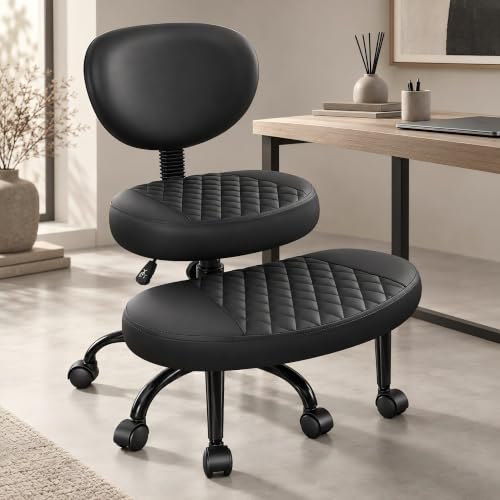
AtHope Cross Legged Office Chair, ADHD Chair with Wider Footrest and Wheels | Ergonomic Criss Cross Legged Chair with Lumbar Support, 360° Swivel, Adjustable Height, Kneeling Chair for Meditation, Yoga
Check price on Amazon
Cross Legged Office Chair, Ergonomic Cloud Criss Cross Desk Chair, Meditation Chair with Wheels, Height Adjustable Seat for ADHD, Wide Kneeling Chair with Back Support
Check price on Amazon
Ergonomic Cross Legged Chair, 360° Swivel Meditation Seat, Lumbar Support | cross-legged ADHD chair with 360° swivel, lumbar support, plush teddy—the all-in-one meditation and office seat
Check price on Amazon
DUMOS ADHD Meditation Chair, Cross Legged Home Office Desk Chair | PU Leather Ergonomic Adjustable Height Backrest, 360° Swivel Footstool, Yoga Stool, Inky
Check price on Amazon
AreShark Criss Cross Office Chair - Ergonomic Cross Legged Office Chair with 3D Armrest &Dual Back Support - Wide Desk Chair with Stretchable Rotating Footrest for Yoga Kneeling Meditation Home Office
Check price on AmazonCreating a Dedicated Space for Your Practice
Once you have the right seat, consider the environment. A dedicated, clutter-free corner of a room can signal to your brain that it's time to meditate. If you're setting up a space for both meditation and relaxation, you might consider a cozy living room setup or even a meditation corner design. The goal is to create a sanctuary that feels peaceful and inviting.
Remember, the journey of meditation is a personal one. The right furniture and props are simply tools to help you along the way. They should support your body so you can let go of physical distractions and focus on the present moment. Whether you choose a simple cushion, a supportive floor chair, or a comfortable reclining chair, the most important thing is that you feel stable, supported, and at ease.
With the right setup, cross-legged meditation can become a sustainable and deeply rewarding practice. Be patient with yourself, experiment with different setups, and enjoy the process of discovering what works best for your body.