Recliner Spring Replacement
Learn how to identify and replace worn springs to restore your recliner's comfort and support.
Read More →
Keep your recliner moving smoothly and silently with proper lubrication. Learn which products to use, how to apply them, and when to perform maintenance.
JUMP TO STEP-BY-STEP GUIDEWhy lubrication matters: A well-lubricated recliner operates quietly, reduces wear on moving parts, and extends the life of your chair. This guide covers everything you need to know about maintaining your recliner’s mechanism, whether it’s a power recliner or a manual recliner.
Over time, dust and debris can accumulate in the moving parts of your recliner, causing squeaks, stiffness, or uneven operation. Regular lubrication restores smooth motion and prevents costly repairs. Follow these steps to properly lubricate your recliner mechanism.
Choosing the right lubricant is essential. Avoid petroleum-based products that can damage plastic components or attract dust. For most recliners, a silicone-based spray or a white lithium grease is recommended. These products provide long-lasting lubrication without gumming up the mechanism. For power recliners, always consult your owner’s manual or check with the manufacturer—some motors require specific lubricants.
For most home users, lubricating the mechanism once or twice a year is sufficient. If you use your recliner daily, consider a bi-annual schedule. For lift chairs or massage recliners that have more complex mechanisms, follow the manufacturer's guidelines. Regular lubrication is part of broader recliner care that includes cleaning, checking fasteners, and inspecting springs and cables.
If you notice any of these signs, it’s time to lubricate. Ignoring them can lead to more serious issues, such as broken springs or a jammed mechanism, which may require spring replacement or motor repair.
For power recliners, the motor and drive system are the heart of the mechanism. While the motor itself is usually sealed and requires no lubrication, the linkages and pivots that connect the motor to the chair frame do benefit from regular maintenance. Always check your owner's manual for any specific recommendations. If your power recliner is noisy or slow, it may be a sign that the mechanism needs lubrication—or that the motor is under strain. In such cases, a simple lubrication can restore performance, but if the issue persists, consult a professional or consider motor repair or replacement.
Manual recliners rely on a spring-loaded mechanism. Lubricating the pivot points and the spring hinges is key to maintaining a smooth recline. Pay special attention to the locking mechanism that holds the footrest in place. A light application of white lithium grease on the lock and hinge can prevent sticking and ensure the footrest deploys and retracts reliably.
If lubrication doesn't resolve noise or movement issues, there may be a mechanical problem. Check for loose bolts or broken springs. Loose bolts can be tightened, but broken springs or damaged frames often require spring replacement or frame repair. Regular lubrication can help prevent these issues, but if the damage is already done, professional repair may be needed.
Lubrication is just one aspect of keeping your recliner in top condition. Combine it with these other maintenance practices for the best performance:
For more detailed care instructions, explore our recliner care and maintenance hub. And if you're considering a new chair, browse our buying guides to find the perfect recliner for your home.
⚠️ AFFILIATE DISCLOSURE: This website contains affiliate links. As an affiliate Associate, we earn from qualifying purchases. If you make a purchase through these links, we may receive a small commission at no additional cost to you. Read our full affiliate policy.

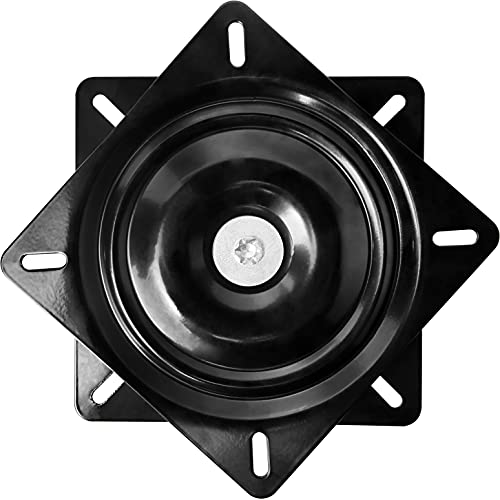
Learn how to identify and replace worn springs to restore your recliner's comfort and support.
Read More →Troubleshooting and repair tips for power recliner motors to keep your chair operating smoothly.
Read More →Step-by-step advice for fixing common frame issues and ensuring your recliner remains sturdy.
Read More →The information provided on ReclinerHut is for educational and informational purposes only. We are not professional interior designers or contractors, and our content should not replace professional advice. Always consult with a qualified expert regarding structural, safety, or design-related concerns. Some content may use AI assistance. Always check product warranties and safety standards before purchasing. If you do not agree, please do not use this website. Read the full disclaimer.