
Electric Patient Lifting and Transfer Chair: The Complete Guide for Safe Home Care
Learn how electric patient lifting and transfer chairs provide safe, dignified mobility for caregivers and loved ones. From essential safety features to choosing the right model, this guide covers everything you need to make an informed decision.
Why This Matters: Manual patient transfers are one of the leading causes of caregiver back injuries. An electric patient lifting and transfer chair eliminates the heavy lifting, reduces injury risk, and restores dignity to daily transfers — whether moving from bed to chair, chair to toilet, or room to room.
What Is an Electric Patient Lifting and Transfer Chair?
An electric patient lifting and transfer chair is a motorized mobility device designed to safely lift and move individuals with limited mobility from one seated position to another. Unlike traditional hydraulic patient lifts that require manual pumping, electric transfer chairs use a rechargeable battery-powered actuator to raise and lower the seat smoothly and effortlessly.
These chairs are increasingly popular in home care settings because they combine the function of a lift with the comfort of a chair. The caregiver simply helps the patient sit into the chair, secures the safety straps, and uses the handheld remote to raise the seat. The patient can then be wheeled to a bed, toilet, sofa, or dining chair and gently lowered into position.
For those considering other mobility solutions, understanding the difference between a transfer chair and a chair that lifts you to a standing position is important. The former is for horizontal transfer between seats, while the latter helps a person stand up from a seated position.
How Electric Transfer Chairs Work: Step by Step
The operation is straightforward, which is one of the reasons these chairs are so valuable for family caregivers who may not have professional training:
- Positioning: The patient is helped into the chair from a bed, sofa, or wheelchair. The seat is in its lowest position for easy access.
- Securing: A safety belt or harness is fastened around the patient's waist or chest to prevent slipping during transfer.
- Lifting: Using the handheld remote, the caregiver activates the electric actuator. The seat rises smoothly and vertically, lifting the patient to the required height.
- Transporting: The chair is wheeled to the destination. Most models have locking casters for stability during the lift.
- Lowering: At the destination, the caregiver lowers the seat using the remote, gently depositing the patient into the target seat or bed.
For patients who need additional therapeutic benefits during transfers, some facilities pair transfer chairs with lift-assist recliners that include heat and massage, though these serve a different primary purpose.
Key Features to Look For in an Electric Patient Transfer Chair
Not all transfer chairs are created equal. When evaluating options for your loved one, pay close attention to these critical features:
1. Weight Capacity
Most standard electric transfer chairs support between 300 and 400 pounds. For bariatric patients, you will need a heavy-duty model. If you are also considering a recliner for the same patient, big and tall power lift recliners that support 500 lbs offer a complementary solution for lounging and standing assistance.
2. Battery Life and Charging
Electric transfer chairs typically run on sealed lead-acid or lithium-ion batteries. A full charge usually provides 30–50 lifts, depending on the patient's weight and the lift height. Look for models with a battery indicator light so you are never caught off guard mid-transfer. Some users also keep a replacement power cord for electric recliner on hand as a backup for similar devices in the home.
3. Seat Height Range
The seat should lower close enough to the floor to pick up a patient from a low bed or sofa, and rise high enough to clear a standard toilet or dining chair. A typical range is 18 inches to 30 inches, but verify this against your specific furniture and bed heights.
4. Safety Straps and Harnesses
A padded, adjustable safety belt is non-negotiable. Some models include a full chest harness for patients with poor trunk control. Always verify that the straps are easy to clean and replace.
5. Wheel Configuration and Brakes
Four-wheeled chairs with rear locking casters offer the best stability. Front casters should swivel for maneuverability in tight spaces like bathrooms. Always engage the brakes before lifting or lowering.
Types of Electric Patient Lifting and Transfer Chairs
There are several designs on the market, each suited to different care scenarios:
Sit-to-Stand Transfer Chairs
These are designed for patients who have some leg strength and can bear partial weight. The chair lifts the patient from a seated to a semi-standing position, allowing them to pivot onto a bed or toilet. This is often the first step before a full electric lift recliner with heat and massage is needed for daily comfort.
Full-Body Transfer Chairs
Also known as patient transfer lifts with a seated sling, these fully support the patient's body weight. They are ideal for non-weight-bearing patients or those with severe mobility limitations. The patient sits in a fabric or padded seat while the entire chair elevates.
Combination Transfer and Recliner Chairs
Some advanced models combine transfer functionality with reclining and leg elevation. While these are less common than dedicated transfer chairs, they can be useful for patients who spend most of their day in a chair. For pure relaxation and therapeutic benefits, a zero gravity lift chair with heat and massage is a better choice, but it does not replace a transfer chair for bed-to-chair mobility.
Who Benefits from an Electric Patient Transfer Chair?
These chairs are invaluable for a wide range of users:
- Elderly individuals with arthritis, weakness, or balance issues who cannot safely transfer on their own.
- Post-surgery patients recovering from hip replacement, knee surgery, or cardiac procedures who have weight-bearing restrictions.
- Individuals with neurological conditions such as Parkinson's disease, multiple sclerosis, or stroke recovery.
- Caregivers — both professional and family — who need to protect their own backs from repetitive strain injuries.
- Bariatric patients who exceed the weight capacity of standard manual transfer aids.
Many families start with a transfer chair and later add a electric recliner chair with heat and massage for daily relaxation, or a lift-assist recliner with heat and massage for independent standing assistance.
How to Choose the Right Electric Transfer Chair
Before purchasing, assess the following:
Measure Your Space
Transfer chairs need room to maneuver. Measure doorways, bathroom entrances, and the space around the bed. A chair that is too wide will not fit through a standard 32-inch doorway. For smaller homes, you may also want to explore comfortable recliner chairs for small spaces to complement your mobility setup without overcrowding.
Consider the Patient's Weight and Size
Always choose a chair with a weight capacity at least 50 pounds above the patient's weight. This ensures smooth operation and extends the life of the motor. If the patient is also a recliner user, big and tall recliners with heat and massage offer similar heavy-duty construction for leisure seating.
Evaluate the Caregiver's Needs
Who will operate the chair? If the primary caregiver is petite or has back issues, an electric model is essential. Manual transfer chairs require significant upper body strength. Electric models with a handheld remote reduce physical effort to almost nothing.
Check for Warranty and Support
Look for a manufacturer that offers at least a one-year warranty on the motor and frame. Customer support and availability of replacement parts — such as a replacement power cord for electric recliner — are also important for long-term ownership.
Budget Considerations
Electric patient lifting and transfer chairs typically range from $800 to $2,500 depending on weight capacity, features, and brand. Basic sit-to-stand models start around $800, while full-body bariatric transfer chairs with advanced safety features can exceed $2,500. Many insurance plans and Medicare may partially cover the cost if deemed medically necessary — always check with your provider.
Safety Tips for Using an Electric Transfer Chair
Proper use is critical to prevent falls and injuries:
- Always lock the casters before lifting or lowering the patient.
- Never leave the patient unattended while the chair is in a raised position.
- Keep the remote control out of reach of children and cognitively impaired individuals when not in use.
- Charge the battery regularly — do not wait until it is completely drained.
- Inspect straps and harnesses before each use for fraying or wear.
- Train all caregivers on proper operation before using the chair with a patient.
For patients who also use a recliner, similar safety principles apply. Our guide to chairs that lift you to a standing position covers additional safety considerations for lift-assist seating.
Maintenance and Care
To keep your electric transfer chair in optimal condition:
- Wipe down the frame and seat with a mild disinfectant after each use, especially in clinical settings.
- Check the battery monthly for corrosion or swelling. Replace every 2–3 years or as recommended by the manufacturer.
- Lubricate the actuator annually with a silicone-based lubricant if recommended in the user manual.
- Inspect wheels and casters for debris that could cause uneven rolling.
- Store the chair in a dry, temperature-controlled environment when not in use to protect the electronics.
If you are also maintaining a recliner for the same patient, our tips for a recliner chair with adjustable lumbar support include care advice that applies to many mobility seating products.
Electric Transfer Chair vs. Other Mobility Solutions
Understanding how a transfer chair fits into the broader mobility ecosystem helps you make the best choice:
vs. Manual Hydraulic Lift
Manual lifts are less expensive but require the caregiver to pump a handle repeatedly. This is physically demanding and can lead to injury. Electric models eliminate this effort entirely.
vs. Ceiling Track Lift
Ceiling lifts are permanent installations that require structural modifications. They are excellent for bed-to-chair transfers but cannot be moved between rooms. Electric transfer chairs offer portability and flexibility.
vs. Lift-Assist Recliner
A lift-assist recliner with heat and massage helps a person stand up from their own chair but does not move them to another location. Transfer chairs are for horizontal movement between seats, while lift chairs are for standing assistance. Many families use both.
Final Thoughts: Investing in Safe, Dignified Care
An electric patient lifting and transfer chair is more than a piece of equipment — it is a tool that preserves dignity, prevents injury, and makes daily care manageable for families. Whether you are caring for an aging parent, a spouse recovering from surgery, or a patient with long-term mobility challenges, the right transfer chair can transform your caregiving experience.
When selecting a model, prioritize safety features, weight capacity, and ease of use over aesthetics. And remember that a transfer chair is often part of a larger comfort and mobility setup. For daily relaxation and therapeutic support, consider complementing it with a power lift recliner with independent footrest or a recliner chair with lumbar support to create a complete care environment.
Always consult with a physical therapist or occupational therapist before making a final decision. They can assess your specific situation and recommend the safest, most appropriate solution for your loved one.
Recommended Electric Patient Lifting and Transfer Chairs
⚠️ AFFILIATE DISCLOSURE: This website contains affiliate links. As an affiliate Associate, we earn from qualifying purchases. If you make a purchase through these links, we may receive a small commission at no additional cost to you. Read our full affiliate policy.

Mosfer Electric Patient Lift Transfer Chair Lift,Chair Lift Assist Devices for Home Seniors and Disabled with Adjustable Height, Folding Bathroom Wheelchair Move from Bed to Chair,Toilet,Car,Outdoor
Check price on Amazon
Electric Patient Lift Transfer Chair,electric lift range of 34 to 46 | Foldable Portable for Home Car Bed Toilet, 400LB Capacity, Alloy Frame, 360° Silent Locking Wheels for Elderly Disabled
Check price on Amazon
APUNHO Electric Patient Lift Transfer Chair, Electric Transfer Lift for Car, Portable Folding Patient Lift for Home, Adjustable Height Bathroom Transfer Chairs for Seniors, Adults, Disabled
Check price on Amazon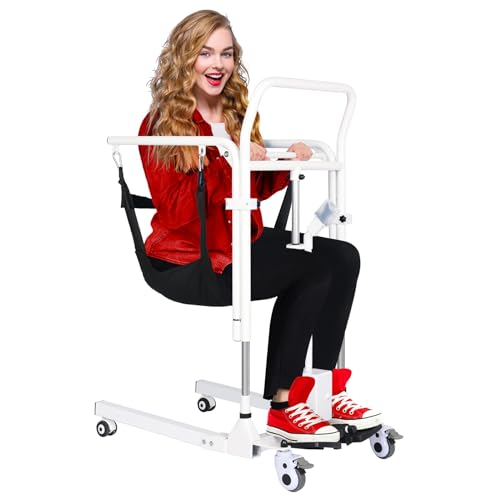
Achairgo Electric Patient Lift Transfer Chair for Home Use Seniors Easy-Assembly and Heavy-Duty, Foldable,Portable Patient Transfer Lift Aid, High-Capacity Rechargeable Battery with 2 Cushion
Check price on Amazon
Zurcheel Electric Patient Lift Transfer Chair Lift for Home, Portable Commode Toilet Transfer Chairs with Adjustable Height for Seniors, Folding Bathroom Wheelchair with Battery Display
Check price on Amazon
lwjunmm Patient Lift Transfer Chair for Home, Hydraulic Patient Lift Nursing Chair, Lift Shower Chair,with Detachable Potty, with 180° Split Seat, for Paralyzed Patient Hydraulicstyle
Check price on Amazon
CQmuniu Patient Lift Transfer Chair,Adjustable Height Lift Chair,Electric Lift Assist Devices for Home & Car, Portable Transport Wheelchair for Seniors & Disabled,YW07
Check price on Amazon