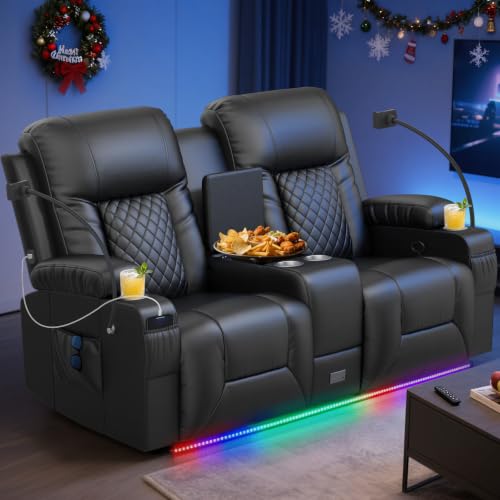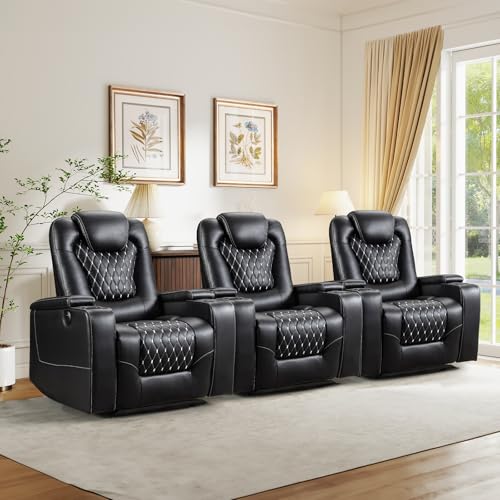
Imagine settling into a plush, power-reclining seat, your favorite film queued up on the big screen, and a cup holder within arm's reach. That is the magic of a well-designed home theater. But with so many options on the market, finding the right reclining theater seating for home can feel overwhelming. This guide is designed to walk you through every critical decision—from configuration and materials to power features and room layout—so you can make a confident, informed purchase.
💡 Quick Tip: Before you shop, measure your space carefully. A standard theater seat needs about 24–36 inches of width per person, and you'll need at least 36 inches of clearance in front for the footrest to fully extend.
Why Reclining Theater Seating Is Worth the Investment
Unlike a standard sofa, theater seating is purpose-built for extended viewing sessions. The key benefits include:
- Superior Comfort: Contoured cushions, lumbar support, and headrests keep you comfortable for a double feature.
- Personalized Recline: Each seat reclines independently, so everyone can find their ideal angle. For a step up in convenience, consider a power recline home theater seating option that lets you adjust with the touch of a button.
- Space Efficiency: Row seating maximizes the number of viewers in a given footprint, making it ideal for dedicated media rooms.
- Integrated Features: Many models include cup holders, storage consoles, LED lighting, and even USB charging ports.
When you invest in quality theater seats, you're not just buying furniture—you're upgrading your entire entertainment lifestyle. And if you're designing a larger room, a curved 4-seat home theater seating arrangement can provide a more immersive, cinema-like viewing experience.
Key Considerations Before You Buy
To ensure your new seating fits both your room and your lifestyle, evaluate these factors:
1. Room Size & Layout
Measure your room's dimensions. A small room might only fit a row of 3, while a larger space can accommodate multiple rows or a curved configuration. Leave at least 36 inches of walkway behind the last row.
2. Seating Capacity
How many people will typically use the space? Options range from single recliners to 4-seat rows, loveseats, and full sectional configurations. Consider future needs as well.
3. Recline Mechanism
Manual recline is budget-friendly and reliable. Power recline offers effortless adjustment and often includes memory presets. Power models typically start around $1,200 per seat and can exceed $2,500 for premium options.
4. Material & Durability
Leather (top-grain or bonded) offers a luxurious look and easy cleaning. Performance fabrics are durable, stain-resistant, and family-friendly. Consider your household's needs—pets and kids may influence your choice.
5. Features & Accessories
Look for cup holders, hidden storage, USB ports, LED lighting, and adjustable headrests. If you want a truly premium setup, consider recliners with cup holders and tables for added convenience.
6. Budget
Entry-level manual theater seats start around $500 per seat. Mid-range power recliners range from $800 to $1,500 per seat. High-end models with premium leather and advanced features can exceed $2,500 per seat.
Popular Theater Seating Configurations
The right configuration depends on your room shape and how you plan to use the space. Here are the most common layouts:
Straight Row
The classic choice. Seats are aligned in a single row facing the screen. Ideal for narrow rooms or when you want a clean, uniform look.
Curved Row
Seats are angled slightly inward, creating a more immersive, cinematic feel. Perfect for larger screens and dedicated theater rooms.
L-Shape or Sectional
Combines theater seating with a sectional layout, offering flexibility for both movie nights and casual lounging. Great for multi-purpose rooms.
Multi-Row Stadium
Two or more rows on elevated platforms. This is the ultimate home theater setup, providing clear sightlines for everyone. Requires more vertical space.
If you're working with a smaller space, you might prefer a reclining couch for small spaces that still delivers the theater experience without overwhelming the room. For larger, more social setups, a large U-shaped reclining sectional can be a fantastic alternative to traditional row seating.
Power vs. Manual Recline: Which Is Right for You?
This is one of the most common questions we hear. Here's a breakdown to help you decide:
Manual Recline
- Pros: Lower cost, fewer electronic components to fail, lightweight, and easy to operate.
- Cons: Requires physical effort to recline, limited to a few fixed positions, and can be difficult for those with mobility issues.
- Best for: Budget-conscious buyers, occasional use, and those who prefer simplicity.
Power Recline
- Pros: Effortless one-touch adjustment, infinite positioning, often includes USB charging and memory presets. If you want the ultimate convenience, a recliner with push-button controls is a game-changer.
- Cons: Higher upfront cost, requires a power source, and electronic components may need repair over time.
- Best for: Frequent users, those with mobility concerns, and anyone who wants a premium, luxurious experience.
💡 Pro Tip: If you choose power recline, look for models with a battery backup option. This ensures you can still exit the seat during a power outage. Also, consider a recliner with an independent footrest for even more personalized comfort.
Materials and Upholstery: What to Look For
The material you choose affects comfort, durability, maintenance, and aesthetics. Here's a quick comparison:
- Top-Grain Leather: Luxurious, breathable, and develops a beautiful patina over time. Requires regular conditioning. Best for premium setups. Expect to pay $1,500–$2,500+ per seat.
- Bonded Leather: More affordable, easy to clean, but less durable than top-grain. Can peel over time. A good mid-range option at $800–$1,500 per seat.
- Performance Fabric: Stain-resistant, durable, and family-friendly. Ideal for homes with kids or pets. Often found in the $600–$1,200 per seat range.
- Faux Leather: Budget-friendly, easy to wipe clean, but may not breathe as well as genuine leather. A solid choice for occasional use at $500–$900 per seat.
No matter which material you choose, proper care will extend its life. For leather seats, regular conditioning is key. For fabric, spot-clean spills immediately and vacuum regularly. If you want to protect your investment, consider a recliner chair cover for times when the seats aren't in use.
Space Planning and Layout Tips
Getting the layout right is crucial for both comfort and safety. Keep these guidelines in mind:
- Screen Distance: For a 65-inch TV, sit about 8–10 feet away. For a projector screen, aim for a distance of 1.5–2 times the screen width.
- Walkway Clearance: Leave at least 36 inches behind the last row for walking and reclining.
- Row Spacing: If you have multiple rows, elevate the back row by 8–12 inches for clear sightlines.
- Power Access: Ensure there are outlets nearby for power recliners, LED lighting, and other electronics.
- Traffic Flow: Avoid blocking entryways or creating tight pinch points. The room should feel open and inviting.
If your room is on the smaller side, don't worry—you can still create a fantastic theater experience. A small sectional with two recliners or a small L-shaped reclining sectional can maximize seating without crowding the space.
Enhancing Your Home Theater Experience
Your seating is the centerpiece, but a few complementary touches can elevate the entire room:
- Lighting: Install dimmable LED strip lighting behind the screen or under the seats for a cinematic ambiance.
- Sound: A surround sound system or soundbar will dramatically improve audio quality.
- Acoustics: Consider acoustic panels or heavy curtains to reduce echo and improve sound clarity.
- Accessories: Add side tables, snack trays, and cozy throws to make the space feel complete. A back support pillow for recliners can add extra lumbar comfort for longer viewing sessions.
Top Features to Look For in Theater Seating
When comparing models, prioritize these features based on your needs:
- Independent Recline: Each seat should recline separately to accommodate different preferences.
- Adjustable Headrests: Great for finding the perfect viewing angle and reducing neck strain.
- Lumbar Support: Built-in lumbar support or adjustable cushions keep your back comfortable.
- Cup Holders: A must-have for movie nights. Look for deep, stable holders that fit various cup sizes.
- Storage Consoles: Hidden compartments for remotes, snacks, and blankets keep the room tidy.
- USB Charging: Convenient for charging phones and tablets during the movie.
- LED Lighting: Base or cup holder lighting adds a premium touch and helps you find your seat in the dark.
If you're looking for a more versatile seating option, a recliner with cup holder and table can serve as both a theater seat and a comfortable spot for everyday relaxation. For those who want the ultimate in luxury, a power recline home theater seating setup with all the bells and whistles is the way to go.
Installation and Assembly: What to Expect
Most theater seating ships in multiple boxes and requires some assembly. Here's what you need to know:
- Delivery: Many retailers offer white-glove delivery, which includes bringing the boxes inside and assembling the furniture. This is highly recommended for larger setups.
- DIY Assembly: If you choose to assemble yourself, expect to spend 1–3 hours depending on the number of seats. Most models come with clear instructions and all necessary tools.
- Placement: Once assembled, position the seats according to your layout plan. Ensure they are on a level surface and that power cords reach outlets safely.
- Testing: Test the recline mechanism, cup holders, and any electronic features before settling in.
💡 Important: Always check the product's weight capacity and warranty information before purchasing. Most quality theater seats support 250–350 lbs per seat, with heavy-duty options available for up to 400 lbs. If you need a more robust option, explore heavy-duty power recliners (400 lbs) or recliners with a 400 lb weight limit.
Maintenance and Care for Longevity
To keep your theater seating looking and performing its best:
- Leather: Dust weekly with a soft cloth. Condition every 6–12 months to prevent cracking. Avoid direct sunlight and heat sources.
- Fabric: Vacuum regularly with a soft brush attachment. Spot-clean spills immediately with a mild detergent and water. Consider a fabric protector spray.
- Mechanisms: Lubricate metal reclining mechanisms annually with a silicone-based lubricant. Check for loose bolts and tighten as needed.
- Electronics: Keep power cords organized and away from foot traffic. If a motor fails, consult the warranty before attempting repairs. If you need to replace a cord, an electric recliner replacement cord is readily available online.
If you ever encounter issues with the reclining mechanism, refer to our guide on repairing a recliner chair mechanism for troubleshooting tips.
Budgeting for Your Home Theater Seating
Prices vary widely based on materials, features, and brand. Here's a general idea of what to expect:
- Entry-Level Manual Seating: $500–$800 per seat. Basic fabric or faux leather, manual recline, simple cup holders.
- Mid-Range Power Seating: $800–$1,500 per seat. Power recline, bonded or top-grain leather, USB charging, LED lighting.
- Premium Luxury Seating: $1,500–$2,500+ per seat. Top-grain leather, memory foam, adjustable headrests, full-featured power recline, storage consoles.
Don't forget to factor in delivery, assembly, and any additional accessories. While it's tempting to go for the cheapest option, investing in quality seating will pay off in comfort and durability over the years.
Frequently Asked Questions
How much space do I need for theater seating?
A single theater seat typically requires 24–36 inches of width. You'll also need at least 36 inches of clearance in front for the footrest and 36 inches behind for walking. For a row of 4, plan for at least 10–12 feet of width.
Can I mix theater seating with a regular sofa?
Absolutely! Many people combine a row of theater seats with a matching reclining sofa or loveseat for a cohesive look. For example, a power reclining sofa and loveseat set can complement your theater seats beautifully. You could also consider a couch with a matching recliner chair for a coordinated ensemble.
Are power recliners worth the extra cost?
If you use your theater room frequently or have mobility concerns, yes. Power recline offers effortless adjustment, often includes memory presets, and adds a luxurious feel. If you're on a tight budget or only use the room occasionally, a manual recline is a solid, reliable alternative.
How do I clean leather theater seating?
Dust regularly with a dry microfiber cloth. For deeper cleaning, use a leather cleaner and conditioner specifically designed for upholstery. Avoid harsh chemicals, alcohol, or abrasive sponges. For fabric seats, vacuum with a soft brush and spot-clean with a mild detergent solution.
Can I install theater seating in a small room?
Yes! With careful planning, you can fit theater seating in a small room. Choose a row of 2 or 3 seats, opt for a wall-hugger design that requires less clearance, and avoid bulky consoles. A reclining couch for small spaces is another excellent option.