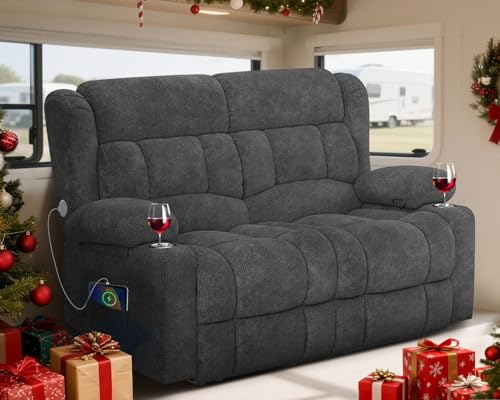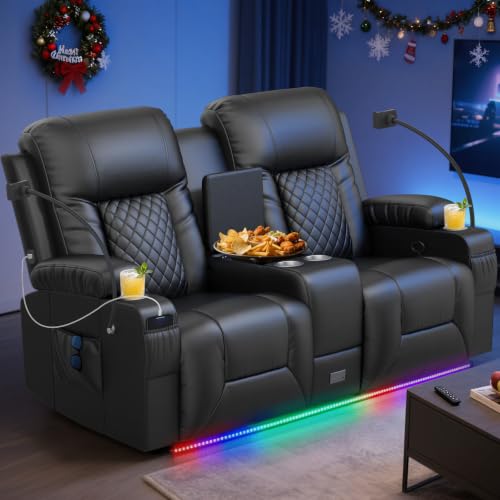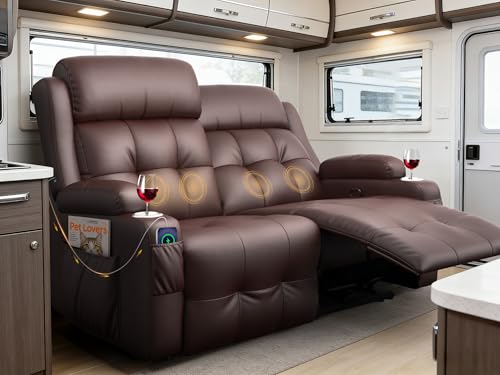
If you own a recreational vehicle, you know that space is at a premium. Every inch counts, and finding furniture that combines comfort, functionality, and a compact footprint can feel like searching for a needle in a haystack. That's exactly where RV theater seating wall hugger models shine. These specialized recliners are engineered to deliver the plush, cinematic experience of a home theater without demanding the extra clearance that traditional recliners require.
In this comprehensive guide, we'll walk you through everything you need to know about wall hugger theater seating for RVs. From how the mechanism works to the features that matter most, you'll be equipped with the knowledge to make a confident purchase decision. Whether you're upgrading an older motorhome or outfitting a brand-new travel trailer, this article is your roadmap to the perfect seating solution.
What Is a Wall Hugger Recliner?
A wall hugger recliner is a reclining chair designed to recline with minimal backward clearance. Traditional recliners need up to 18 inches of space behind them to fully recline. Wall hugger models, by contrast, use a specialized mechanism that slides the seat forward as the backrest reclines, requiring as little as 3 to 6 inches of clearance from the wall.
This design is a game-changer for RV owners. In a motorhome or travel trailer, you simply don't have the luxury of leaving a foot of empty space behind your seating area. A wall hugger recliner allows you to place your seating nearly flush against the wall, maximizing your usable living space without sacrificing the ability to kick back and relax.
For those who need a recliner that doesn't require a dedicated wall at all—perhaps in an open floor plan—a push-back recliner chair is another excellent space-saving alternative. However, for true theater-style seating in an RV, wall hugger models remain the top choice.
Why RV Theater Seating Wall Hugger Models Are Essential
RVs are unique environments. They're subject to vibration, temperature swings, and limited square footage. Standard home theater seating often isn't built to withstand these conditions. RV theater seating wall hugger units, on the other hand, are purpose-built for the road.
Space Efficiency
With only 3–6 inches of wall clearance needed, you reclaim valuable floor space for walkways, slide-outs, and storage.
Stability on the Road
Many RV wall hugger recliners feature locking mechanisms or heavy-duty frames that stay put during travel.
Durability
Materials are chosen to resist moisture, UV exposure, and temperature fluctuations common in RV environments.
Integrated Features
Cup holders, USB ports, and storage consoles are often built right into the armrests for convenience.
Another advantage is weight. RV furniture needs to be lightweight without compromising strength. Many wall hugger theater seats for RVs use aluminum or engineered wood frames paired with high-density foam, striking that crucial balance.
How Wall Hugger Mechanisms Work
Understanding the mechanics helps you appreciate the engineering behind these chairs. In a traditional recliner, the backrest pivots backward on a fixed base. The wall behind the chair must be clear to accommodate this motion.
A wall hugger recliner uses a different approach. The seat is mounted on a track or linkage system that allows the entire seat to glide forward as the backrest tilts back. The footrest extends simultaneously. The result is a reclining motion that happens almost entirely within the chair's own footprint.
In RV theater seating, this mechanism is often paired with a power headrest recliner feature, allowing you to adjust the headrest angle independently for optimal viewing comfort. This is especially useful when the seating is positioned close to a TV or projection screen.
Key Features to Look for in RV Wall Hugger Theater Seating
Not all wall hugger recliners are created equal. When shopping for RV theater seating, keep the following features in mind:
1. Clearance Requirement
Check the manufacturer's specified wall clearance. Most quality wall huggers need 3 to 6 inches. Some premium models require as little as 2 inches. Always measure your available space before purchasing.
2. Power vs. Manual Operation
Power recliners offer smooth, effortless operation with the touch of a button. Manual models are lighter and don't require a power source, which can be an advantage in RVs with limited electrical capacity. If you're leaning toward power, look for models with a power recliner with remote for added convenience.
3. Upholstery Material
Leather and faux leather are popular for RV seating because they're easy to clean and resist stains. Fabric options offer breathability but may require more maintenance. For a luxurious look that's still practical, consider a leather home theater seating configuration.
4. Size and Configuration
RV theater seating typically comes in rows of two or three seats. Measure your slide-out or living area carefully. Some models are modular, allowing you to configure them as a loveseat or a full row. If you need a single seat, a low-back recliner might be a better fit for tight corners.
5. Additional Comfort Features
Many RV wall hugger recliners include heated seats, massage functions, LED lighting, and USB charging ports. These features can significantly enhance your comfort during long trips or relaxing evenings. For example, a leather recliner with heat and massage offers spa-like relaxation on the road.
Benefits of Wall Hugger Theater Seating for RV Owners
The advantages extend beyond mere space savings. Here's why RV enthusiasts consistently choose wall hugger theater seating:
- Maximized Living Space: By eliminating the need for rear clearance, you can arrange your RV interior more flexibly. This is particularly important in smaller Class B and Class C motorhomes.
- Better Viewing Angles: Theater seating is designed with the screen in mind. The slight recline and headrest adjustability ensure a comfortable viewing position every time.
- Enhanced Comfort: Long drives and unpredictable weather make relaxation essential. A quality wall hugger recliner provides a personal retreat within your RV.
- Increased Property Value: Upgrading your RV's seating can make it more appealing if you ever decide to sell or trade in.
- Durability: RV-specific furniture is built to handle the unique stresses of mobile living.
If you're comparing options for a stationary home theater, a curved home theater seating arrangement might be more suitable. But for an RV, the wall hugger design is unmatched.
How to Choose the Right RV Theater Seating Wall Hugger
With so many options on the market, narrowing down your choice can be overwhelming. Follow this step-by-step approach to simplify the process:
Step 1: Measure Your Space
Before you even browse, measure the width, depth, and height of your intended seating area. Don't forget to account for slide-outs, windows, and doorways. Note the distance from the back wall to the front of where the chair will sit.
Step 2: Determine Your Configuration
Do you need a two-seater loveseat, a three-seat row, or individual chairs? Consider how many people typically travel with you. If you need flexibility, a recliner set of 2 can be a versatile choice.
Step 3: Set Your Budget
RV theater seating wall hugger models range widely in price. Entry-level manual models start around $800, while premium power recliners with massage and heat can exceed $2,500. Determine your budget early to focus your search.
Step 4: Prioritize Features
List the features that matter most to you. Is a power headrest essential? Do you need USB charging? Will you use the massage function? Prioritizing helps you avoid paying for features you won't use.
Step 5: Read Reviews and Check Warranty
Look for reviews from other RV owners. They'll often mention real-world issues like installation challenges or durability over time. Also, check the warranty—a good warranty signals a manufacturer's confidence in their product.
Installation Tips for RV Wall Hugger Recliners
Installing theater seating in an RV is different from setting it up in a house. Here are some practical tips:
- Secure the Seating: Use L-brackets or straps to anchor the seating to the floor or wall. This prevents movement during travel.
- Check Doorways: Before ordering, ensure the seating can fit through your RV's door. Some models come partially disassembled, which helps.
- Plan for Power: If you're installing power recliners, identify the nearest 12V or 120V outlet. You may need an inverter or additional wiring.
- Allow for Ventilation: Leave a small gap behind the seating for airflow, even if the wall hugger mechanism doesn't require it. This helps prevent moisture buildup.
For those who prefer a simpler installation, a push-back recliner chair doesn't require any power connection, making it a plug-and-play option.
Maintenance and Care for RV Theater Seating
To keep your RV theater seating wall hugger in top condition, regular maintenance is key. Here's a quick checklist:
- Clean Upholstery Regularly: Dust and vacuum fabric seats weekly. Wipe leather and faux leather with a damp cloth and a mild conditioner.
- Lubricate the Mechanism: Apply a silicone-based lubricant to the reclining mechanism every six months.
- Check Fasteners: Periodically tighten bolts and screws, especially after long trips on rough roads.
- Protect from Sun: Use window shades to prevent UV damage to the upholstery.
- Address Spills Immediately: Blot liquids with a clean cloth to prevent stains from setting.
If you're looking for more detailed care instructions, our guide on leather massage recliner care covers advanced techniques for maintaining leather upholstery.
Price Guide: What to Expect
RV theater seating wall hugger prices vary based on features, materials, and brand. Here's a general overview:
| Type | Price Range | Typical Features |
|---|---|---|
| Manual Wall Hugger (2-seater) | $800–$1,200 | Basic recline, fabric or faux leather, no power |
| Power Wall Hugger (2-seater) | $1,200–$1,800 | Power recline, USB ports, cup holders |
| Premium Power (3-seater) | $1,800–$2,500+ | Power headrest, massage, heat, LED lighting, leather |
Keep in mind that these are general estimates. Sales, discounts, and brand-specific pricing can vary. For a broader look at recliner pricing, check our recliner chair price guide.
Common Mistakes to Avoid
Buying RV theater seating is an investment. Avoid these common pitfalls:
- Not Measuring Carefully: Always measure twice. A few inches can make the difference between a perfect fit and a frustrating return.
- Ignoring Weight Limits: Check the weight capacity of each seat. If you need heavy-duty options, look for heavy-duty lift recliners 400 lbs or similar high-capacity models.
- Overlooking Power Needs: Power recliners require electricity. Ensure your RV can handle the load.
- Choosing Style Over Substance: A beautiful recliner that's uncomfortable or poorly built is a waste of money. Prioritize comfort and durability.
- Forgetting About Delivery: Some RV seating is delivered curbside. Factor in the logistics of getting it inside your RV.
Frequently Asked Questions
Final Thoughts
Investing in RV theater seating wall hugger recliners is one of the smartest upgrades you can make to your motorhome or travel trailer. They combine the luxury of a home theater with the practicality of RV living. By understanding how wall hugger mechanisms work, identifying the features that matter most, and carefully measuring your space, you can find the perfect seating solution for your adventures.
Whether you're watching a movie on a rainy day or simply relaxing after a long drive, the right seating transforms your RV into a true home away from home. Take your time, do your research, and enjoy the journey.
For more inspiration and guidance, explore our other guides on theater-style recliners and leather home theater seating.