
Sleep Apnea Sleeping in Recliner: A Complete Guide to Better Breathing at Night
If you struggle with sleep apnea, the position you sleep in can make a real difference. Discover how an inclined recliner may help reduce symptoms, which features matter most, and how to choose the right chair for your needs.
SEE RECOMMENDED RECLINERSQuick Answer: Sleeping in a recliner at a 30–45 degree incline can help keep your airway open and reduce sleep apnea symptoms for some people. It works best as a complement to—not a replacement for—CPAP therapy or other prescribed treatments. A power recliner with adjustable positioning and strong lumbar support is the best choice for nightly use.
Why Sleeping in a Recliner Can Help Sleep Apnea
Obstructive sleep apnea (OSA) happens when the soft tissues at the back of your throat collapse and block your airway during sleep. When you lie flat on your back, gravity pulls the tongue and soft palate backward, narrowing the airway and causing the repeated pauses in breathing that define apnea. Elevating your upper body changes that geometry. An inclined position uses gravity to keep those tissues from collapsing, which can reduce the number and severity of apneas for many people.
This approach is known as positional therapy. While it is not a cure, research and clinical experience show that head-of-bed elevation of 30 to 45 degrees can meaningfully improve breathing for people with mild to moderate OSA. It can also help with related issues like acid reflux and nasal congestion, both of which tend to worsen when you lie flat and can aggravate apnea symptoms.
For people who cannot tolerate a CPAP mask, or who want extra support alongside their CPAP therapy, a recliner offers a practical, low-effort way to sleep in a more breathable position. If you are exploring recliner options with built-in comfort features, a recliner with heat and vibration can add relaxation and help you settle in more easily at night.
The Best Angle for Sleeping in a Recliner
The ideal incline varies from person to person, but most sleep specialists recommend a range of 30 to 45 degrees. Here is how to think about it:
- 30 degrees: A good starting point. Enough elevation to reduce airway collapse for many people, while still comfortable for sleep.
- 35–40 degrees: Often the sweet spot. Provides stronger airway support without putting too much pressure on the lower back.
- 45 degrees: Best for people with more pronounced symptoms or those who also have reflux. Some users find they slide down over the night at this angle.
- Above 60 degrees: Generally not recommended for sleeping. It can cause you to slump forward, strain your neck, and disrupt sleep quality.
The key is to adjust until you can breathe easily and stay in position without sliding. A power recliner with infinite position control makes this easy, because you can fine-tune the angle rather than being stuck with two or three preset positions. If you prefer a weightless feel, a zero gravity recliner raises your legs and torso together, which can reduce pressure points while still keeping your upper body elevated.
Recliner vs. CPAP: What You Need to Know
It is important to be clear: a recliner is not a substitute for CPAP therapy or any other treatment your doctor has prescribed. CPAP remains the gold standard for moderate to severe obstructive sleep apnea because it actively keeps the airway open with positive air pressure. A recliner works passively, by changing your body position.
That said, a recliner can be a valuable complement. Some people use it:
- As a backup sleep option on nights when they cannot tolerate their mask.
- For naps, when sleeping flat is more likely to trigger apneas.
- During travel or recovery from surgery when a bed is not practical.
- As an additional measure alongside CPAP to improve overall sleep quality.
If you have been diagnosed with sleep apnea, talk to your doctor before making a recliner your primary sleep surface. They can help you understand whether positional therapy is appropriate for your specific case and how it should fit into your treatment plan.
Key Features to Look For in a Recliner for Sleep Apnea
Not every recliner is well suited for nightly sleep. The best chairs for sleep apnea share a few important characteristics:
- Power recline with infinite position control: Lets you dial in the exact angle your breathing needs, rather than choosing between a few fixed positions.
- High back and adjustable headrest: Supports your neck and keeps your head aligned so your airway stays open. Look for a high back leather recliner chair if you want strong neck and shoulder support.
- Firm lumbar support: Prevents your lower back from sinking into the chair, which can cause you to slide down and lose your incline. A recliner chair with back support is a smart choice for people who need extra lumbar reinforcement.
- Wall-hugger mechanism: Reclines without needing much space behind the chair. This is helpful if your bedroom or living room is tight. A small size wall hugger recliner can fit into compact spaces while still giving you full recline.
- Zero-gravity option: Raises your legs above your heart while keeping your torso elevated, which can reduce pressure and improve circulation. An extra wide zero gravity recliner is a good option if you want more room to shift during the night.
- Remote control: Essential for adjusting position in the dark without getting up. A power lift recliner with remote gives you easy control, and some models also include a lift function for getting in and out safely.
- Breathable upholstery: Leather or high-quality faux leather tends to stay cooler than thick fabric, which matters if you get warm at night. A full grain leather recliner sofa offers durability and temperature regulation, though fabric can work well too if you prefer a softer feel.
For people who need help getting in and out of the chair, a motorized lift chair for elderly users combines the incline benefits of a recliner with a powered lift that raises you to a standing position. If you want heat and massage built in as well, a power lift heat massage recliner can provide both comfort and therapeutic support.
Types of Recliners That Work Best for Sleep Apnea
Different recliner styles suit different needs. Here is a quick comparison of the types most often recommended for sleep apnea:
- Power recliners: The best all-around choice. You can adjust the backrest and footrest independently, which makes it easy to find a breathing-friendly angle. A zero gravity power reclining sofa is a strong option if you want a full seating solution rather than a single chair.
- Lift chairs: Ideal for older adults or anyone with mobility challenges. They recline like a standard power recliner but also tilt forward to help you stand. An electric rise and recline chair is a practical choice for nightly use.
- Wall hugger recliners: Best for small bedrooms or apartments where space behind the chair is limited. A wall hugger recliner lift chair combines space-saving design with lift assistance.
- Zero gravity recliners: Designed to distribute your weight evenly and reduce pressure on your back. They are especially helpful if you have both sleep apnea and back pain. A zero gravity recliner can be adjusted to a range of angles, making it easy to find your ideal position.
- Medical recliners: Often used in home care settings, these chairs are built for durability and easy cleaning. A medical recliner chair for home can be a good fit if you need a chair that doubles as a care surface.
If you are shopping for a chair that will primarily be used for sleep, prioritize power adjustability and lumbar support over decorative features. A recliner chair for older person often includes these practical features by default, since manufacturers know that older users need easier control and better support.
How to Set Up Your Recliner for Optimal Breathing
Getting the setup right is just as important as choosing the right chair. Follow these steps to create a sleep-friendly recliner environment:
- Start at 30 degrees. Recline the backrest to about 30 degrees and lie down. If you can breathe comfortably and do not feel like you are sliding, stay there. If you feel your airway narrowing, increase the angle in small increments.
- Elevate your legs slightly. Raising the footrest a few inches above heart level can reduce swelling and make the position more comfortable. This is one of the main advantages of a zero gravity power reclining sofa, which lifts your legs and torso together.
- Support your neck. Use a contour pillow or a rolled towel behind your neck to keep your head aligned with your spine. Avoid stacking too many pillows under your head, which can push your chin toward your chest and narrow your airway.
- Keep your lower back supported. If the chair’s lumbar area feels too soft, add a small cushion. A recliner chair with back support is designed to prevent the slumping that can undo the benefits of an incline.
- Avoid sliding down. If you find yourself sliding forward during the night, your angle may be too steep, or the seat may be too deep. Try reducing the incline slightly or adding a non-slip pad under you.
- Keep the room cool and dark. Sleep apnea and overheating often go together. A breathable leather or faux leather surface, like a faux leather chaise lounge chair, can help you stay comfortable.
If you use a CPAP machine, make sure your hose is long enough to reach the recliner and that the mask stays sealed when you are reclined. Some people find that a nasal pillow mask works better in a reclined position than a full-face mask.
Pros and Cons of Sleeping in a Recliner
Sleeping in a recliner is not for everyone. Here is an honest look at the advantages and drawbacks:
Pros
- Can reduce airway collapse and improve breathing for mild to moderate OSA.
- Helps with acid reflux, which often worsens apnea symptoms.
- Provides support for people who cannot sleep flat due to back pain, surgery, or pregnancy.
- Easy to adjust position during the night with a power remote.
- Can be a backup option when CPAP is not tolerated.
Cons
- Not a cure for sleep apnea and not a replacement for prescribed therapy.
- Sleeping upright can cause neck strain if the headrest is not properly adjusted.
- Some people slide down over the course of the night, losing the incline benefit.
- Long-term nightly use may lead to lower back discomfort if lumbar support is inadequate.
- A high-quality power recliner is an investment, typically ranging from $800 to $2,500.
For many people, the benefits outweigh the drawbacks—especially when the recliner is used alongside medical treatment rather than instead of it. If you are looking for a chair that can serve as both a daytime seat and a nighttime sleep surface, a power recliner chair for elderly users often strikes a good balance between comfort, support, and ease of use.
Who Benefits Most from Recliner Sleeping
Sleeping in a recliner tends to help certain groups more than others:
- People with mild to moderate obstructive sleep apnea who have not yet started CPAP or who are looking for additional positional support.
- CPAP-intolerant patients who need an alternative sleep position while they work with their doctor on other options.
- Older adults who have difficulty getting in and out of bed. A recliner chair for older person can make nighttime routines safer and more comfortable.
- People with acid reflux or GERD that worsens when lying flat.
- Post-surgery patients who are required to sleep elevated during recovery.
- Pregnant women who find flat sleeping uncomfortable in the later stages.
- Caregivers and home health patients who need a medical-style recliner for daily use. A hospital recliner chair for sale can serve both sleep and care needs.
If you fall into one of these groups and are considering a recliner for sleep, look for a model with power adjustment, firm lumbar support, and a headrest that keeps your neck neutral. A power lift recliner with remote is often the most practical choice because it combines recline and lift functions in one chair.
Common Mistakes to Avoid
Many people try recliner sleeping and give up because of avoidable problems. Here are the most common mistakes and how to fix them:
- Choosing a chair with too soft a seat. A deep, plush seat may feel comfortable at first, but it lets you sink down and lose your incline. Look for firmer cushioning that keeps your hips and shoulders supported.
- Using too many pillows under your head. This pushes your chin toward your chest and can actually make apnea worse. One contour pillow or a small neck roll is usually enough.
- Setting the angle too steep. Going above 45 degrees often causes sliding and neck strain. Start lower and adjust upward only as needed.
- Ignoring lumbar support. Without it, your lower back will ache after a few nights. A recliner chair with back support is worth the investment if you plan to sleep in the chair regularly.
- Not testing the chair before buying. If possible, sit in the chair and recline it to your target angle. Check that your neck and lower back feel supported and that you do not slide forward.
- Assuming a recliner replaces CPAP. This is the most dangerous mistake. Always follow your doctor’s advice and use your prescribed therapy.
If you are shopping for a chair that will be used by someone with limited mobility, a electric recliner and lift chair can reduce the risk of falls and make it easier to get in and out safely. For people who need a chair that can be moved between rooms, a swivel recliner for living room offers flexibility without sacrificing support.
Recommended Recliners for Sleep Apnea and Elevated Sleeping
⚠️ AFFILIATE DISCLOSURE: This website contains affiliate links. As an affiliate Associate, we earn from qualifying purchases. If you make a purchase through these links, we may receive a small commission at no additional cost to you. Read our full affiliate policy.

MEGCXIT Wedge Pillow Set for After Surgery, Bed Wedge, 3PCS, White/Grey | Adjustable 10-in-1 Design, Memory Foam Neck Pillow, for Acid Reflux Relief, Sleep Apnea, Snoring, Neck & Back Support
Check price on Amazon
Side Position Trainer Backpack, Anti Snoring Device, Prevent Back Sleep (L) | Soft Supportive Foam, Adjustable straps, Lightweight design, Keeps you in side sleeping position, Reduce Back Snoring posture
Check price on Amazon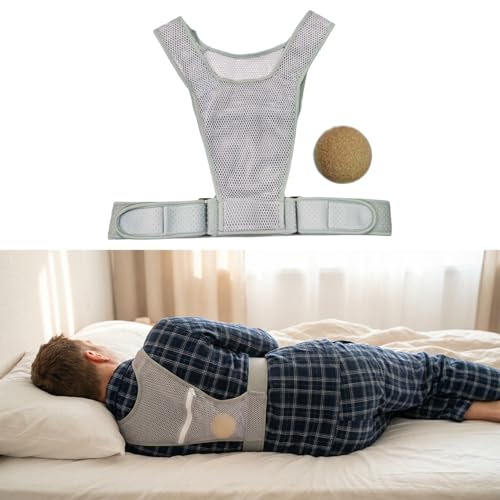
Sleep Position Trainer for Sleeping On Side Snore Stopper Adjustable (Gray) | Sleep Position Trainer for Sleeping On Your Side Snore Stopper Adjustable Effective in Reducing Supine Sleep Time
Check price on Amazon
Lunix LX6 FSA Bed Wedge Pillow Set with Hot and Cold Pack, Travel Bag | Sleep propped up in your own bed on the nights you cannot lie flat, then keep it as a reading backrest
Check price on Amazon
ApneaShield Classic Sleep Position Trainer for Sleeping On Your Side | Side Sleep Trainer | Snoring Solution | Anti Snoring Device | Lightweight, Comfortable, Effective in Reducing Supine Sleep Time
Check price on Amazon
Lunix LX5 4pc Orthopedic Bed Wedge Pillow Set, Abdominal Surgery Recovery | Sleep Semi-Upright Without Buying a Recliner: Base, Back, Knee and Head Pillows for the Bed You Own
Check price on AmazonFrequently Asked Questions
Can sleeping in a recliner help with sleep apnea?
Yes, for some people. Elevating your upper body between 30 and 45 degrees can reduce airway collapse by using gravity to keep the tongue and soft tissues from blocking your throat. It works best as positional therapy alongside—not instead of—medical treatment. People with mild to moderate obstructive sleep apnea often notice the most benefit.
What is the best angle for sleeping in a recliner with sleep apnea?
Most sleep specialists recommend 30 to 45 degrees. Start at 30 degrees and increase gradually until breathing feels easier. Avoid going above 60 degrees, which can cause sliding, neck strain, and poorer sleep quality.
Is a recliner a replacement for a CPAP machine?
No. A recliner is not a replacement for CPAP therapy or any other prescribed treatment. It is a comfort and positional aid. Continue using your CPAP machine or other therapy unless your doctor advises otherwise.
What features should I look for in a recliner for sleep apnea?
Look for a power recliner with infinite position control, a high back and adjustable headrest, firm lumbar support, a wall-hugger mechanism if space is limited, and a zero-gravity option if you want weightless recline. A remote control is essential for adjusting position during the night. A power lift recliner with remote combines recline and lift functions in one chair.
Can I sleep in a recliner every night?
Some people do sleep in a recliner nightly, especially those with reflux, back pain, or breathing issues. However, long-term nightly use can lead to lower back discomfort if the chair lacks proper lumbar support. Choose a chair with firm support and consider talking to your doctor about whether it is a suitable long-term solution for you.
Are lift chairs good for sleep apnea?
Lift chairs can be a good option because they recline like a power recliner and also help you stand up safely. If you have mobility challenges along with sleep apnea, a motorized lift chair for elderly users or a power lift heat massage recliner can provide both support and comfort.
Final Thoughts
Sleeping in a recliner can be a practical and effective way to reduce sleep apnea symptoms for some people, especially when used as part of a broader treatment plan. The key is to choose a chair that lets you adjust your position precisely, supports your neck and lower back, and keeps you from sliding down during the night. Power recliners, lift chairs, and zero-gravity models all have their place depending on your needs and mobility.
Remember that a recliner is a tool, not a cure. If you have been diagnosed with sleep apnea, keep using your CPAP or other prescribed therapy, and talk to your doctor before making any major changes to how you sleep. With the right chair and the right setup, you may find that your nights—and your days—feel noticeably better.
Ready to explore your options? Browse our recommended recliners above, or read more about related topics like recliners with heat and vibration and zero gravity power reclining sofas to find the best fit for your home.