
Types of Patient Lift and Transfer Chairs
When researching patient lifts, you'll encounter several distinct types. Each is designed for specific transfer scenarios and user needs. The most common types are hydraulic lifts, electric lifts, and sit-to-stand lifts. Understanding the difference is the first step toward making a safe and practical choice for your home.
Hydraulic vs. Electric Patient Lifts
Hydraulic patient lifts use a manual pump to raise and lower the patient. They are typically more affordable and do not require a power source, making them reliable during power outages. However, they require more physical effort from the caregiver. On the other hand, electric patient lifts (also known as battery-powered lifts) use a motor to perform the lifting, which is much easier on the caregiver's back. They are generally more expensive but offer smoother operation and are ideal for frequent transfers. For those considering a hybrid option for a loved one, a power recliner with lift assist can be a great choice for daily seating, but it is not a substitute for a full patient transfer device.
Sit-to-Stand Lifts (Stand Assist)
Sit-to-stand lifts are designed for individuals who have some leg strength and can bear weight but need assistance standing up. They are not full-body lifts; instead, they help the person pull themselves into a standing position using a sling or a padded bar. These devices are often more compact and easier to maneuver in tight spaces than full hydraulic lifts. A related category is the patient lift and transfer chair, which is a versatile option that can serve as both a transport chair and a lifting device. If you are also looking for a comfortable seating option for the user after transfer, consider browsing heavy-duty lift recliner chairs for long-term comfort.
Critical Safety Note
Never use a patient lift to transfer someone who exceeds the device's weight capacity. Always check the manufacturer's guidelines. For bariatric needs, specialized equipment like a bariatric lift chair 600 pounds is required. Always consult with a physical or occupational therapist to determine the safest transfer method for your specific situation.
Key Features to Look For
Choosing the right equipment is crucial for safety and ease of use. Here are the features you should prioritize when comparing models:
- Weight Capacity: Ensure the lift is rated for the user's weight with a comfortable margin. Standard lifts handle 300-400 lbs, while heavy-duty models are available.
- Lifting Range: Check the minimum and maximum lift heights to ensure it can safely reach from a low bed to a high chair.
- Base Width & Maneuverability: A base that is too wide may not fit under a bed or around furniture. Look for adjustable bases or compact designs for small rooms.
- Sling Type & Comfort: Slings come in various materials (mesh, solid, padded) and styles (U-sling, toileting sling). A padded sling offers more comfort for longer transfers.
- Battery Life & Charging: For electric lifts, a long battery life and easy charging system are essential to avoid interruptions.
Comparison of Top Lift Types
| Feature | Hydraulic Lift | Electric Lift | Sit-to-Stand Lift |
|---|---|---|---|
| Power Source | Manual Pump | Rechargeable Battery | Rechargeable Battery |
| Caregiver Effort | High | Low | Medium |
| Best For | Budget-conscious, occasional use | Frequent transfers, ease of use | Users with some leg strength |
| Typical Price | $800–$1,500 | $1,200–$2,500 | $900–$2,000 |
How to Choose the Right Transfer Chair for Your Home
Before purchasing, measure your space carefully. Doorways, hallway widths, and the space around the bed and toilet are critical. A portable chair lift for elderly users can be a flexible solution if you need to move the device between rooms or even take it on trips. If stairs are a concern in your home, you may also need to explore options for a portable stair lift for elderly to ensure full accessibility. For outdoor use, such as transferring into a car or onto a porch, an outdoor lift chair for elderly is designed to withstand the elements.
Consider the long-term needs of the user. If their condition is progressive, a more robust electric lift with a higher weight capacity might be the wisest investment. For those who need assistance primarily for standing up from a seated position, a self-lifting chair for elderly or a rocking lift chair for elderly can provide a dual purpose of comfort and assistance. Always prioritize safety features like locking wheels, emergency stop buttons, and sturdy construction.
Top-Rated Patient Lift and Transfer Chairs
⚠️ AFFILIATE DISCLOSURE: This website contains affiliate links. As an affiliate Associate, we earn from qualifying purchases. If you make a purchase through these links, we may receive a small commission at no additional cost to you. Read our full affiliate policy.

Electric Patient Lift Transfer Chair, 400LB Foldable Home Care Chair
Check price on Amazon
Patient Lift Transfer Chair for Elderly and Disabled
Check price on Amazon
VOCIC Electric Transfer Lift for Car, Portable Folding Patient Lift Transfer Chair, Electric Assist Lift Aid for Seniors, Adults, AY06
Check price on Amazon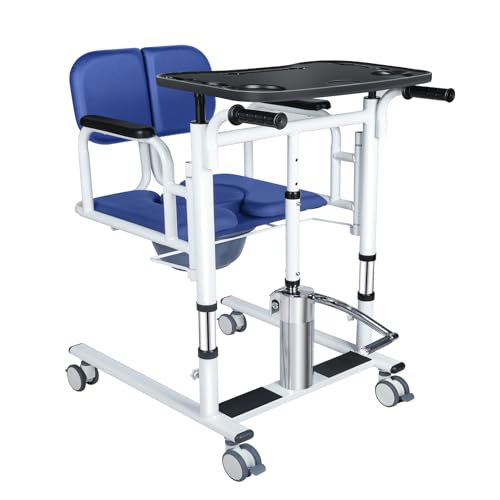
Drexo Patient Lift Transfer Chair, 5 in 1 Patient Lift Chair with 180°Split Seats, Heights Adjustable Patient Transfer Chair with 4 Casters for Home Seniors Elderly, Blue, 26''L x 23''W x 44''H
Check price on Amazon
VOCIC Sit to Stand Lift, Patient Lift Chair Transport Unit with Wheels
Check price on Amazon
Mosfer Electric Patient Lift Transfer Chair Lift,Chair Lift Assist Devices for Home Seniors and Disabled with Adjustable Height, Folding Bathroom Wheelchair Move from Bed to Chair,Toilet,Car,Outdoor
Check price on Amazon
SWETJOZO YW07 Electric Patient Lift Transfer Chair for Home 300 lb Capacity
Check price on Amazon
Patient Lift Transfer Chair, 5 in 1 Sit to Stand Lift Chair with 180° Split Seat, Height Adjustable Standing Transfer Chair with 4 Casters & Dual-Lock Brakes for Home Seniors
Check price on AmazonFrequently Asked Questions
Can a patient lift be used by one person?
Most patient lifts are designed to be operated by a single caregiver. However, it is always recommended to have a second person assist during the initial learning phase and for transfers involving heavier individuals or complex situations. Practice with a professional is essential.
What is the difference between a patient lift and a transfer chair?
A patient lift is a device that mechanically raises a person from a bed or floor. A transfer chair (or transport chair) is a lightweight wheelchair designed to move a person from one room to another. A "patient lift and transfer chair" often refers to a combined system or a sit-to-stand lift that allows for both lifting and short-distance transport.
Are there lifts for very heavy patients?
Yes. Bariatric patient lifts are specifically designed for individuals weighing over 400 lbs, with some models capable of handling up to 600 lbs or more. These are constructed with reinforced frames and wider bases for stability.
Do I need a prescription to buy a patient lift?
In most cases, you do not need a prescription to purchase a patient lift for home use. However, if you are seeking reimbursement from insurance or Medicare, a prescription and a certificate of medical necessity from a doctor are typically required.